Family MALVACEAE
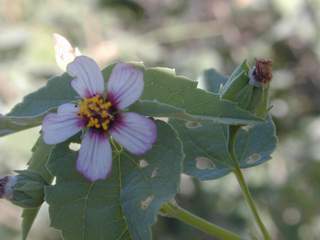
Ma‘o, hoary abutilon

NOTES: Spreads slowly. Good growth early in wet season, but this is offset by powdery mildew that causes most leaves to drop; but plant survives and refoliates. Population is now established, obviating the need for out-plantings (2013}.
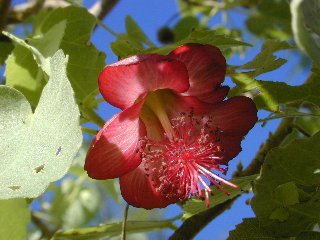
Ko‘oloa ‘ula

NOTE: Subject to attack by rose beetles in the dry season and powdery mildew in the wet season. However, an early planting at the village site has become a large shrub with hundreds of blossums. Seeds from this individual are being used to expand the population at Nā Pōhaku o Hauwahine. Seedlings are fast-growing, some reaching 2-3 ft in height in one season. Population: 1 (12/07); ~ 12 (7/13)
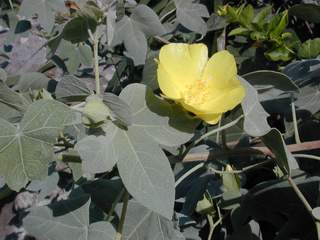
Ma‘o
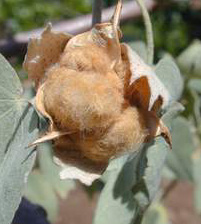
NOTE: Growth is tremendous in the wet season, and only slows in the dry season. Produces viable seeds, and seedlings regularly observed (2013), some perhaps growing to adult size.
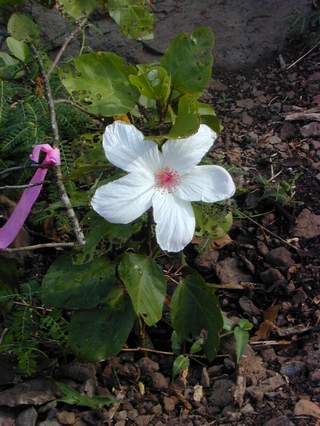
Koki‘o ke‘oke‘o

NOTE: Slow, steady growth. Produces lots of flowers and some fruit with seeds.
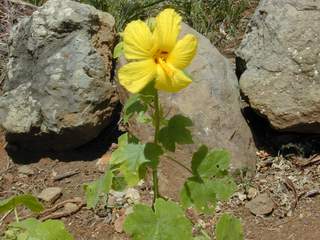
Ma‘o hau hele
NOTE: Tremendous growth in the wet season. Subject to attack by rose beetles, most seriously in the dry season when few new leaves are being produced.
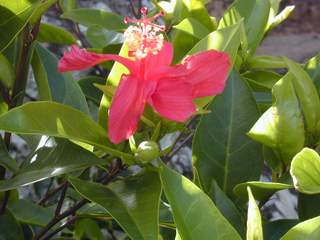
NOTE: Slow, steady growth. Responds to any good rain by producing flowers. No fruit is set, however.
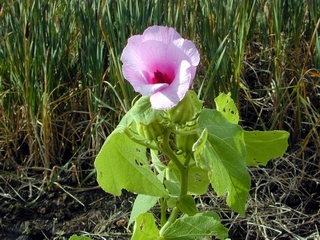
‘Akiohala, hau hele, hau hele wai

NOTE: This hibiscus does best in the marsh (although plants can be killed by high standing water), but is fast growing and in upland situations can mature and produce seeds during a wet season.
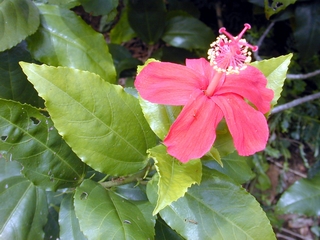
Koki‘o ‘ula
NOTE: Slow, steady growth. Responds to any good rain by producing flowers. No fruit is set, however.
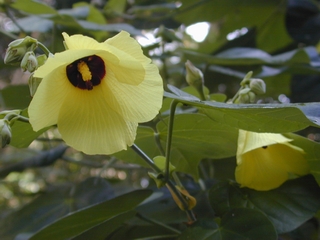
Hau
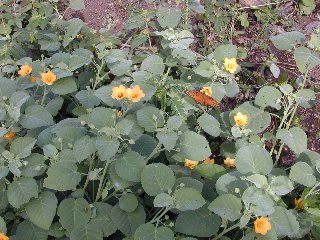
‘Ilima papa
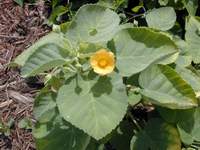
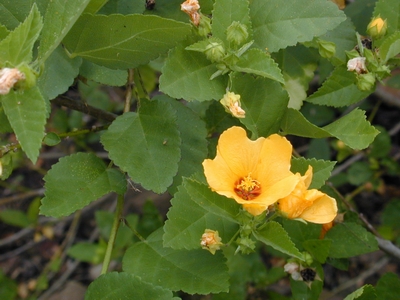
‘Ilima
NOTE: Although a wide variety of ‘ilima plants have been planted at Nā Pōhaku, only one has come out as establishing an expanding population (2013). This "variety" is thought to be from an original planting of numerouis individuals that Larry derived from seeds taken from a natural population in the area. Now thriving and spreasding over the site. Photo at left is not representative.
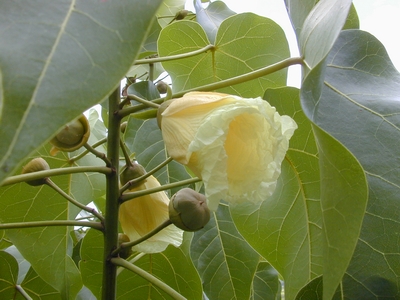
Milo
NOTE: Grows rapidly in the wet season and provides shade in the dry season. Fastest growing of all the trees planted at Nā Pōhaku, producing viable seeds and seedlings after only a few years.
